That question is also the title of an article by Mike Leak, at Christianity.com. We think it’s a good question, but first we need to define “Gen Z”. According to the article, “Generation Z, sometimes known as Zoomers, are those born between the mid-late 1990s and the early 2010s. For simplicity let’s say that it’s anyone born between 1997 and 2012.” Other sources agree. I checked. As a verified septuagenarian, I can be confused more easily that younger folks.
Zoomers are said to be the first generation to have grown up entirely online and can be referred to as “digital natives”. A Pew Research study tells us,
“The iPhone launched in 2007, when the oldest Gen Zers were 10. By the time they were in their teens, the primary means by which young Americans connected with the web was through mobile devices, WiFi and high-bandwidth cellular service. Social media, constant connectivity and on-demand entertainment and communication are innovations Millennials adapted to as they came of age. For those born after 1996, these are largely assumed.”
The article named above also talked about their unique characteristics, and their unique challenges, including challenges to the gospel. This is where I began do disagree with some of the author’s statements.
First of all, the author said that “. . . it’s helpful to remember that regeneration (repentance-faith-salvation, or new birth) is impossible with any generation. On it’s face, that simply is not true. Perhaps it was just a poor choice of words. Maybe he should have said that ‘sharing the gospel’ with any generation has its challenges. He did suggest a set of unique barriers to sharing the gospel with Generation Z, which are probably true.
· The digital noise and a short attention span make it difficult to even gain attention.
· Being constantly bombarded with information makes it difficult to show the exclusivity of Christ.
· There is a good chance they have little to zero church background.
· If they do have a perception of the church, it is likely negative.
· Prevalent secularism and materialism make questions of the afterlife seem foolish.
Then the author gets to the meat of his article:
How Should We Change How We Share the Gospel with Gez Z?
He correctly tells us that we should strive to “share the gospel message to help our receptors hear the good news in their own language.” We need to get away from ‘religious speak’ since the chances are good that they have little or no familiarity with religious concepts. So we change the way talk about the issues at stake. He then talked about an article written by Christian author and blogger Josh Chen, who presents three worldviews and how Jesus provides a solution:
1. Guilt and innocence: “Jesus Christ paid the penalty for my sin, allowing me access to heaven.”
2. Shame and honor: “Jesus Christ freed me from my shame and allows me to be who I was created to be.”
3. Fear and power: “Jesus Christ defeated the principalities of this world, freeing us from demonic oppression.”
Chen believes that we are currently moving out of the first cultural worldview, guilt and innocence, and into the second, shame and honor, which is the Gen Z culture. Therefore, when we talk about what Jesus did for us, we should say something like “Jesus freed me from my shame”, rather than “Jesus paid the penalty for my sin”. While all three cultural worldviews are valid, we need to “learn which conversation we need to have “so that the good news is heard as good news” (Emphasis mine).
Well, there seems to be a lot of that going around these days, going back probably a decade or so, at least. For example, the term sin has all but disappeared from today’s popular Christian worship music. You might hear it, but only occasionally. Just yesterday, on our 45 minute drive back home from a hospital procedure, listening to the SiriusXM “The Message” channel, we did hear the term ‘sin’ once. The song was one of those that contains a lyric from a classic hymn. The lyric, using the original tune from the hymn, and used as sort of a chorus, was:
“Grace, grace, God’s grace,
Grace that is greater than all my sin.”
They hymn has been a longtime favorite of mine. I don’t remember the other lyrics of the song that was played.
While CCM does use the Gen Z terms discussed above (shame and honor), talks about Jesus and what he has done for us, including salvation, we very rarely hear that Christ died for our ‘sins’, which is exactly why He died, (shame and guilt). During yesterday’s drive home, we even heard that “Jesus died for who I was”, with zero explanation of what that meant.
I am not saying that, in witnessing to Zoomers (or anyone else) we don’t need to use terms familiar to our gospel audience. What I am saying is that we should use familiar words and terms as a gateway to lovingly steering the conversation to the language of the Bible. That means defining terms that are offensive to the average unbeliever, like ‘sin’ and ‘repentance’.
If we have done our due diligence in prayer and asked God to open the hearts of our listeners, some will hear with their hearts the message of the gospel and turn to Christ, just like Lydia did in Acts 16. Others will be offended.
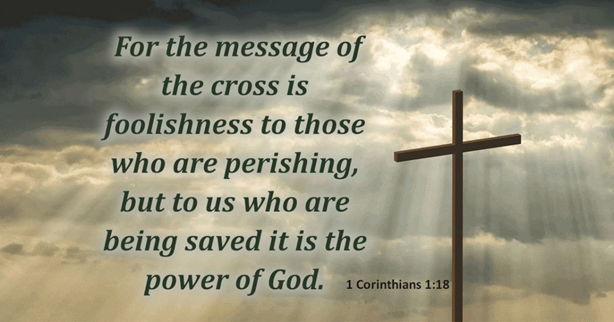
Dear friends, be faithful to the message and God will save His people, just as He has in every generation since the dawn of history!
 The Battle Cry
Let us be faithful to the Gospel message as given by the Word of God
LikeLike
Amen!
LikeLiked by 1 person
And amen!
LikeLike